Latest posts
-
Adaptive Software Development: Principles, Benefits, and Best Practices
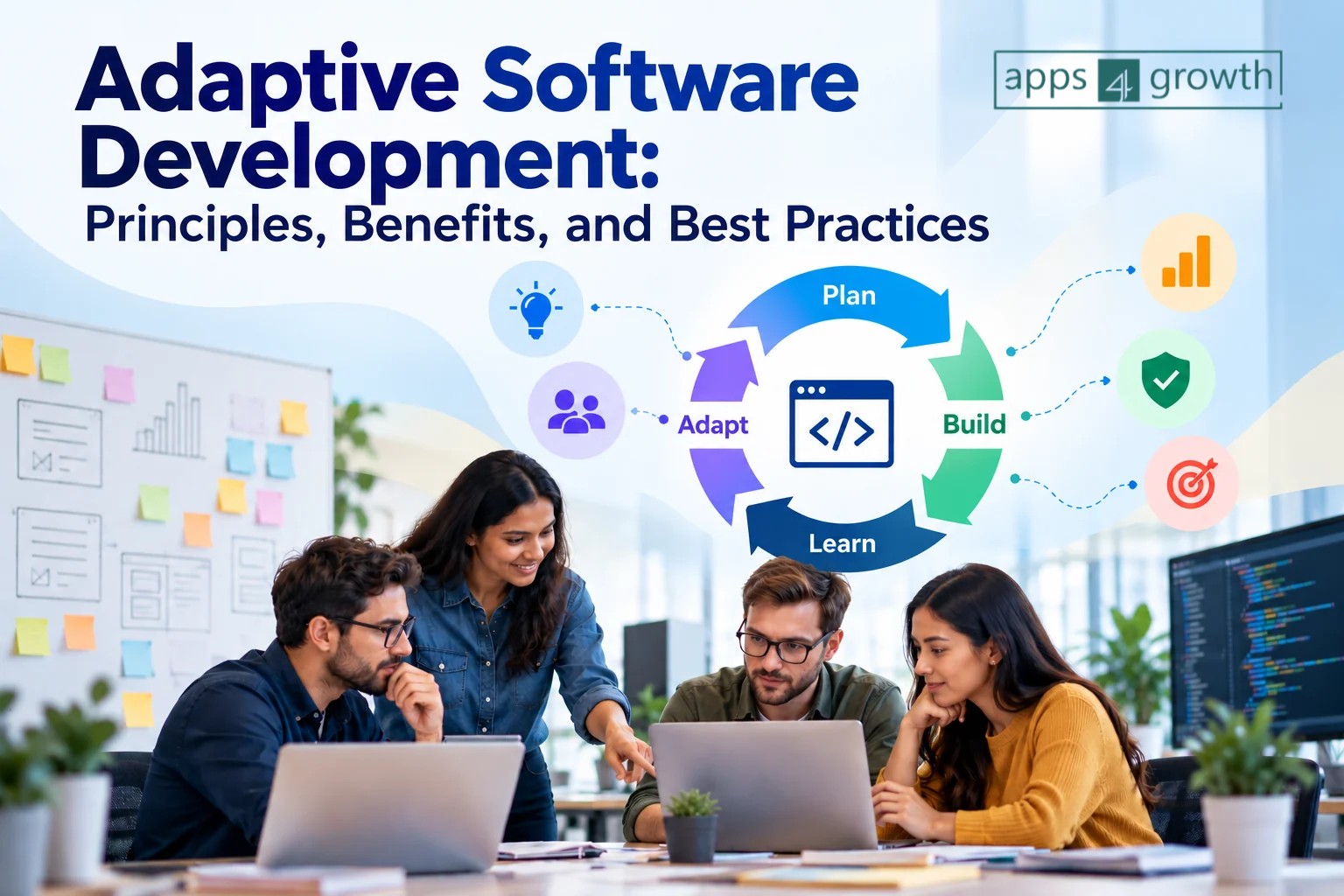
Adaptive Software Development is a flexible software development approach that helps teams respond to changing requirements, new technologies, and evolving customer expectations. Unlike traditional development methods that rely heavily on fixed plans, this approach encourages continuous learning, collaboration, and improvement. As a result, businesses can develop software that better meets user needs while adapting to…
-
Software Integration: Benefits, Challenges and Business Uses

Businesses often use multiple software applications to manage different areas of their operations. A company may use one system for customer relationships, another for accounting, another for inventory and separate platforms for payments, communication or project management. Software integration solutions connect these systems so they can exchange relevant information and support more connected business workflows.…
-
How Wholesale Management Software Simplifies Business Operations

Wholesale management software helps businesses manage daily activities such as inventory, purchasing, sales, customer accounts, order processing and payments. When these processes rely on spreadsheets, emails and separate tools, teams may spend more time managing information than focusing on customers and business growth. Wholesale management software brings important business processes together in one digital environment.…
-
Custom CRM Software Development for Business Growth
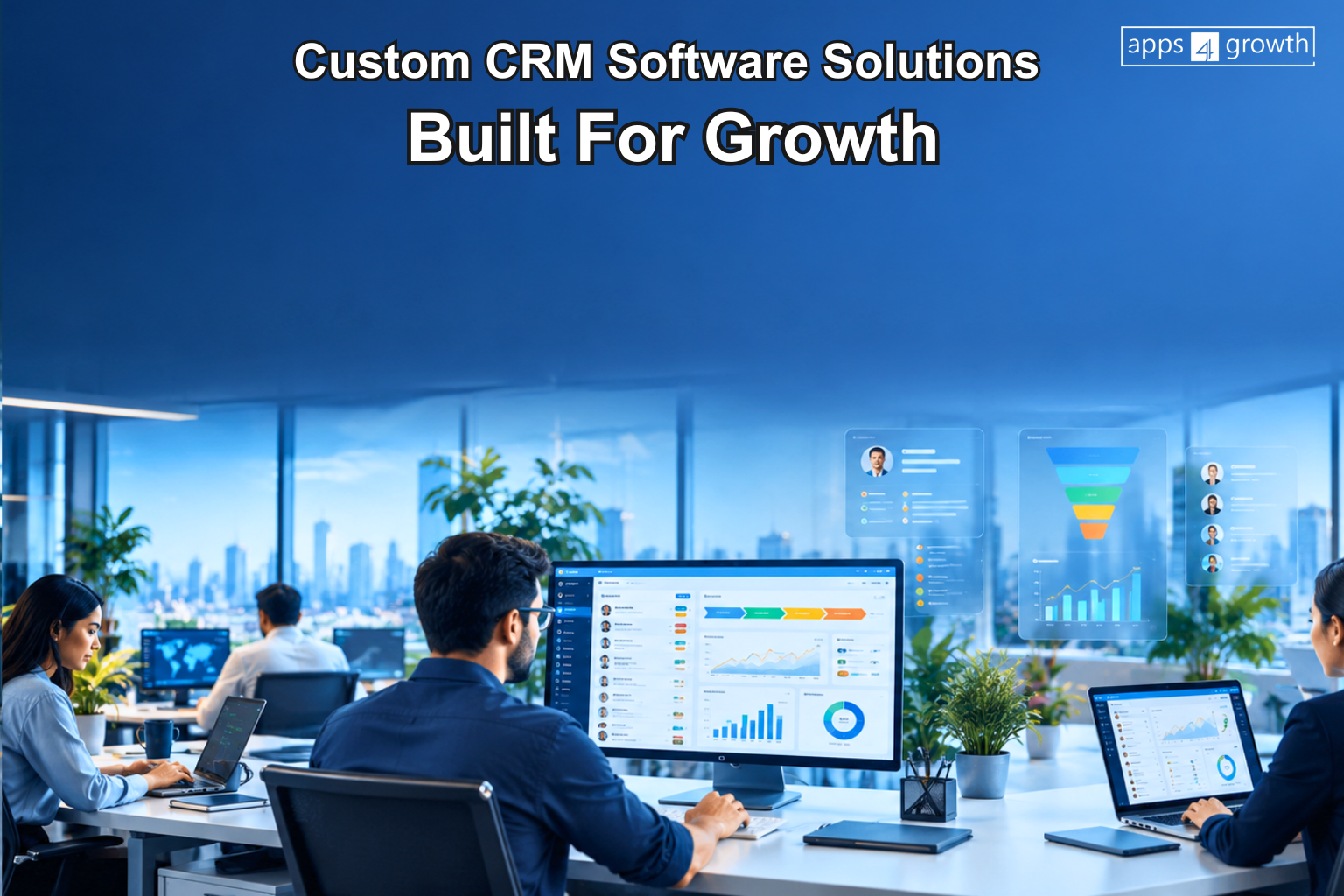
Businesses deal with leads, customers, sales activities, follow-ups and internal teams every day. When this information stays across spreadsheets, emails and different applications, managing customer relationships can become difficult. Custom CRM software development gives businesses an opportunity to bring these processes together in one platform designed around their specific requirements. Unlike generic CRM platforms, a…
-
Top 5 Production Management System Solutions

Managing a modern manufacturing operation involves much more than producing goods on time. Businesses need to coordinate raw materials, production schedules, workers, inventory, quality checks and finished goods while keeping costs under control. This is where a production management system can make a significant difference. Instead of depending on spreadsheets, manual registers or disconnected tools,…