CRM Software
How Can CRM Software Help My Business Get More Leads?
CRM software can help businesses capture, organize, track, and convert leads more effectively. Instead of keeping customer information across spreadsheets, emails, phone records, and different tools, businesses can use one centralized system to manage the entire sales journey.
For companies looking to improve lead generation and sales performance, CRM software for business can provide better visibility into where leads come from, how sales teams follow up, and which opportunities are most likely to convert. apps4growth can help businesses implement or develop CRM solutions that align with their sales processes and customer management needs. Here are the key ways CRM can help your business get and manage more leads.
1. Capture Leads From Different Sources
Potential customers can come from many channels, including your website, social media, online advertising, email campaigns, phone calls, and referrals.
A CRM can bring these enquiries into one centralized system. This makes it easier for your team to track every potential customer instead of allowing leads to get lost between different platforms.
With effective CRM lead management, businesses can record important information such as:
- Customer name and contact details
- Lead source
- Product or service interest
- Enquiry date
- Sales representative
- Previous interactions
- Follow-up status
This creates a more organized process from the first enquiry onward.
2. Organize and Qualify Your Leads
Not every lead has the same level of interest.
Some prospects may be ready to purchase, while others may still be researching their options. CRM software helps sales teams organize leads according to their stage, interest, and potential value.
For example, leads can be categorized as:
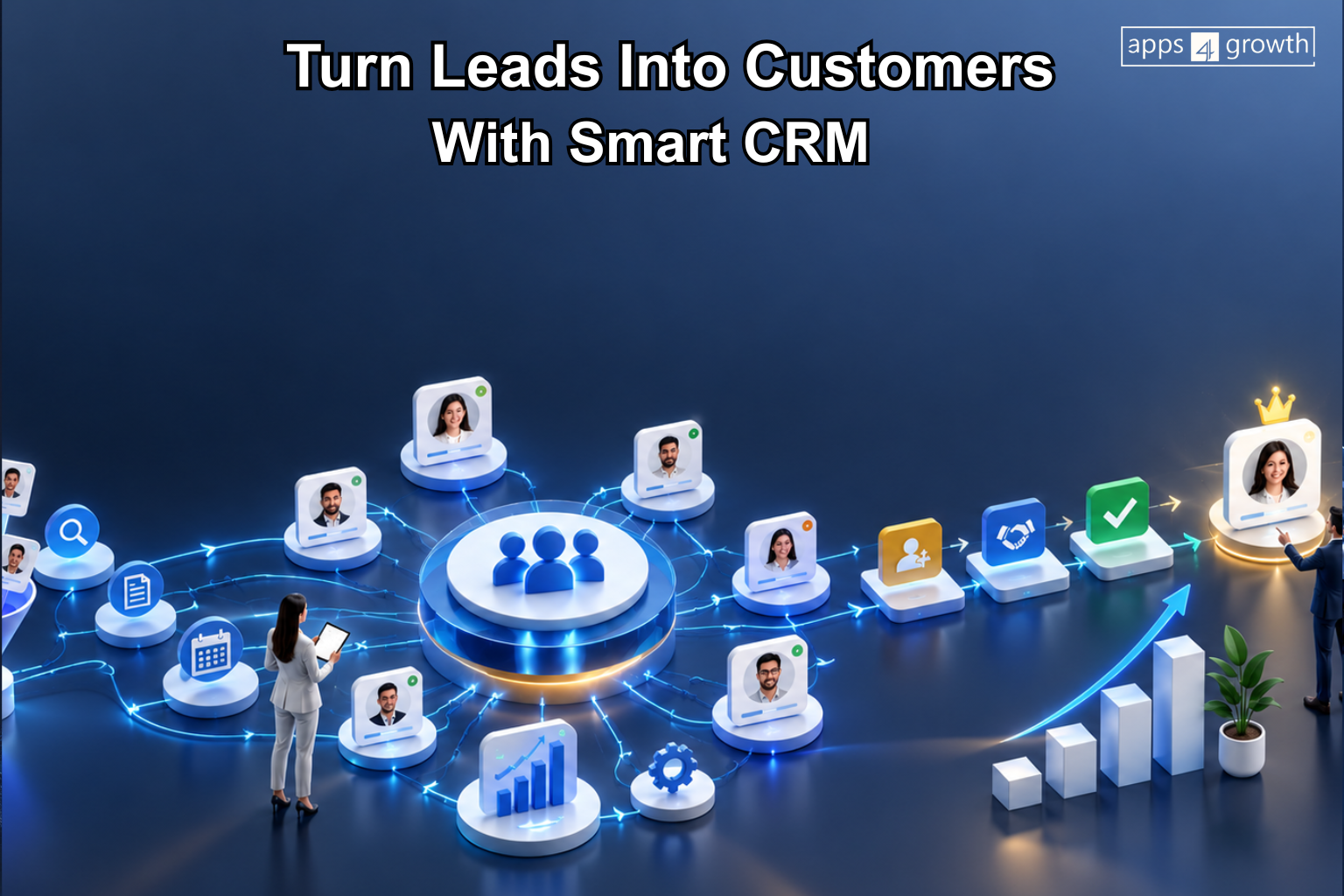
New → Contacted → Qualified → Proposal → Negotiation → Converted
This helps salespeople focus their time on promising opportunities while continuing to nurture leads that need more information.
3. Never Miss Important Follow-Ups
A lead can be lost simply because a salesperson forgot to follow up.
CRM systems can create reminders and tasks for sales representatives, helping them stay consistent throughout the sales process.
A sales team can use CRM to schedule:
- Follow-up calls
- Emails
- Product demonstrations
- Meetings
- Quotations
- Appointment reminders
- Renewal follow-ups
This is one of the important CRM software benefits because consistent follow-up can improve the chances of converting enquiries into customers.
4. Understand Where Your Leads Come From
Knowing how you generate leads is just as important as generating them.
CRM for sales can help businesses track the source of each enquiry. For example, your CRM may show that leads are coming from Google, social media, paid advertising, referrals, or your website.
This information can help businesses compare different marketing channels and understand which ones are producing better-quality prospects.
Instead of asking only how many leads you received, you can also evaluate:
- Which source generates the most leads?
- Which source generates qualified leads?
- Which source produces the highest conversions?
- How much revenue comes from each source?
These insights can support better marketing decisions.
5. Improve Sales Team Productivity
Sales teams often spend considerable time updating spreadsheets, searching for customer information, preparing reports, and managing repetitive administrative tasks.
Sales management software can reduce some of this manual work by keeping customer information, activities, tasks, and sales opportunities in one place.
Employees can quickly see what needs to be done instead of spending time searching through multiple systems.
This allows salespeople to focus more on conversations, demonstrations, negotiations, and relationship building.
6. Personalize Customer Communication
Customers expect businesses to understand their requirements.
A CRM can maintain a history of customer interactions, allowing sales representatives to see previous conversations, enquiries, purchases, and preferences.
This makes it easier to personalize communication.
For example, when a salesperson contacts a returning prospect, they can review the customer’s previous interaction before starting the conversation.
This is one way customer relationship management software can help businesses build stronger relationships while improving the sales experience.
7. Automate Lead Management
As your business grows, manually managing every lead can become difficult.
CRM platforms can automate certain parts of the lead management process.
For example:
New enquiry → Lead automatically added → Salesperson assigned → Follow-up task created → Reminder sent → Lead status updated
Automation can reduce repetitive administrative work and help businesses respond to new enquiries faster.
Businesses with more complex requirements can also consider integrating CRM with marketing, communication, payment, or other business systems.
8. Track Sales Performance
A CRM system for business can also help managers understand how their sales team is performing.
Useful metrics can include:
- Total leads
- Qualified leads
- Conversion rate
- Follow-up activity
- Open opportunities
- Closed deals
- Sales revenue
- Lead response time
- Salesperson performance
These reports can help management identify bottlenecks and understand where improvements are needed.
CRM for Small Business: Is It Worth It?
CRM for small business can be useful even when the sales team is small.
A small company may initially manage customer information through spreadsheets, but as the number of enquiries increases, this approach can become difficult to maintain.
CRM can provide a structured system for managing leads without requiring a large sales department.
The important thing is to choose a solution that matches your current requirements and can scale as your business grows.
When Should You Consider Custom CRM Software?
Ready-made CRM platforms can work well for businesses with standard requirements. However, some companies have unique sales processes or need integrations that standard platforms cannot provide easily.
In such cases, custom CRM development can help create a system around specific business workflows.
A custom CRM software solution may be useful when you need:
- Unique lead management workflows
- Custom sales pipelines
- Specialized dashboards
- Business-specific automation
- Multiple software integrations
- Custom customer portals
- Industry-specific features
Instead of changing your business process to fit software, CRM software development can create a solution that fits the way your business operates.
How Apps4growth Can Help
Choosing the right technology approach is important when implementing CRM. apps4growth can help businesses plan and develop CRM solutions based on their sales processes, customer requirements, and business goals.
Depending on your needs, the solution can include CRM implementation, integrations, automation, or custom CRM development.
With the support of a reliable CRM development company, businesses can develop features for lead management, sales tracking, customer records, reporting, automation, and other workflows.
For companies that require specialized solutions, CRM development services can also include custom integrations and business-specific functionality.
The objective is to create a practical CRM system that helps your team manage leads more efficiently and improve the overall customer journey.
Conclusion
CRM software can help businesses turn scattered customer information into an organized sales process. By capturing leads, managing follow-ups, tracking customer interactions, automating repetitive tasks, and measuring sales performance, CRM can help teams work more efficiently and improve lead conversion.
For businesses with standard requirements, an existing CRM platform may be enough. For companies with specialized workflows, custom CRM software can provide greater flexibility and control. The right CRM approach depends on your business goals, sales process, team size, and future growth plans.
FAQs
How does CRM software help generate more leads?
CRM does not necessarily generate leads by itself. It helps businesses capture, organize, qualify, follow up with, and analyze leads more effectively, which can improve the chances of conversion.
Is CRM software useful for small businesses?
Yes. CRM for small business can help organize customer information, track enquiries, manage follow-ups, and monitor sales without relying on scattered spreadsheets.
What is CRM lead management?
CRM lead management is the process of capturing, organizing, qualifying, assigning, tracking, and converting potential customers through a structured sales process.
Can CRM software automate follow-ups?
Yes. Many CRM systems can create automated reminders, tasks, emails, notifications, and workflow actions based on lead status or customer activity.
When should I choose custom CRM development?
Consider custom CRM development when your business has unique workflows, specialized requirements, or needs integrations and features that standard CRM platforms cannot provide effectively.